
The Terminal in layers: the day’s leading weather stories on top, and four ways into the world’s weather beneath them.
The world’s weather, in one place. The Tomorrow.io Terminal gathers what the world’s weather, river and disaster agencies are tracking, organizes it by impact, by place, by storm and by the world’s events, and publishes the day’s leading weather stories every morning, for people and for the agents that work alongside them. It is in beta, and access will open in waves: join the waitlist at terminal.tomorrow.io to be among the first.
Weather reaches every country, every day
The information about it is scattered. National weather, river and disaster agencies issue warnings in different formats, in different languages and on different schedules. A river forecast sits in one bulletin, a typhoon warning in another, a heat alert in a third, and the events where people gather appear in none of them.
Meanwhile, our satellites scan the global atmosphere every hour, generating insights critical to industries and communities.
The Terminal brings it all together. It reads the warnings and readings issued by weather, hydrological and disaster agencies around the world, sets the active systems side by side on one board, and says plainly what is happening, what changed overnight and what comes next. It connects global weather events with their impact on our daily lives, and delivers that perspective in one experience, available to you.
The warnings stay the agencies’ own. The Terminal doesn’t issue warnings: it names the agency behind each one and when it was issued, and every edition lists its sources in full.
Four ways into the world’s weather
Everything in the Terminal is organized four ways, so each reader can come at the world’s weather from the side that matters to them.

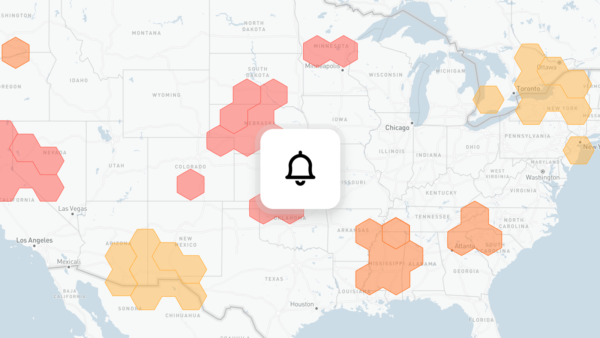
Every system is ranked by how much it matters that morning, and marked as new, escalating, easing or cleared since the day before.

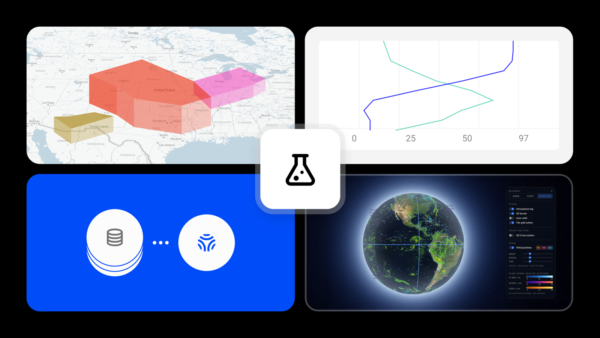
Every system sits on one map, named for the place it touches, from a river basin to an ocean. The quiet regions are named too.

Each storm, flood and warning has a page of its own: what’s happening, what changed overnight, what it means for you, and which global events lie in its path, with its record over time and the agency behind every figure.

The major events of the coming fortnight, from marathons to regattas, read against the forecast at each venue.
The hazards run from tropical cyclones and river floods to severe storms, heat, fire weather, smoke, drought and winter cold.
The day’s leading weather stories
Every morning the Terminal publishes The Atmosphere Today, an edition of the day’s leading weather stories from around the world. It opens on the one that matters most, with the answers a reader needs first: what is happening now, when it arrives, what is already in force, and who is exposed. Then it moves through everything else on the board. This morning’s edition features 23 weather systems, from Super Typhoon Champi east of Luzon to red rain warnings across Liguria and Piemonte.
Each edition is kept at its own dated address, so the mornings build into a record of what the atmosphere did, and when.
For people, and for their agents
The Terminal is written for people who have to decide something about a place: a flight, a harvest, a river crossing, a crowd. Every figure is tied to its source, so a reader can see who said it and when.
It is built just as deliberately to be read by agents. Each page is plain, structured and sourced, so the AI agents that people now work alongside can read it directly, figure by figure and source by source.
It reads in English, with Spanish, Japanese and Hebrew in beta, in either unit system, on a desk or a phone. And every page opens into the Tomorrow.io platform: the map, alerts for a reader’s own locations, and the API.
Early access, in beta
During the beta, access to the Terminal is through the community waitlist, and it will open in waves. Anyone can join at terminal.tomorrow.io with an email address, and we’ll be in touch by email. As the beta expands, the Terminal grows edition by edition. Next:
The atmosphere changes everywhere at once. The Terminal is being built to be the place to see it that way: the world’s weather, read together, every morning.